What is IV Crush in Options Trading? A Beginner's Guide
Published: January 22, 2026 • Options Basics
Tags: volatility, buy, puts, calls, iv, crush
What is IV Crush in Options Trading? A Beginner's Guide
If you've been diving into options (like those long puts we discussed for betting on stock drops), you've probably heard the term "IV crush" thrown around on forums, YouTube, or your broker's app. It's a key concept that can make or break your trades — especially if you're buying options ahead of big events.
Most beginners think: High volatility means big profits from options, so let's load up before earnings!
The reality: Volatility can "crush" overnight, tanking your option's value even if your directional bet is right. Let's unpack what IV crush really is, why it happens, and how to handle it without getting burned.
First, Quick Refresher: What is Implied Volatility (IV)?
IV is the market's "best guess" at how much a stock might swing in the future, baked into option prices.
High IV → expensive options (premiums swell because big moves are expected).
Low IV → cheap options (less excitement = lower prices).
It's forward-looking and can change fast based on news, events, or sentiment.
IV is like the "fear gauge" for individual stocks — think VIX but for one ticker.
What is IV Crush?
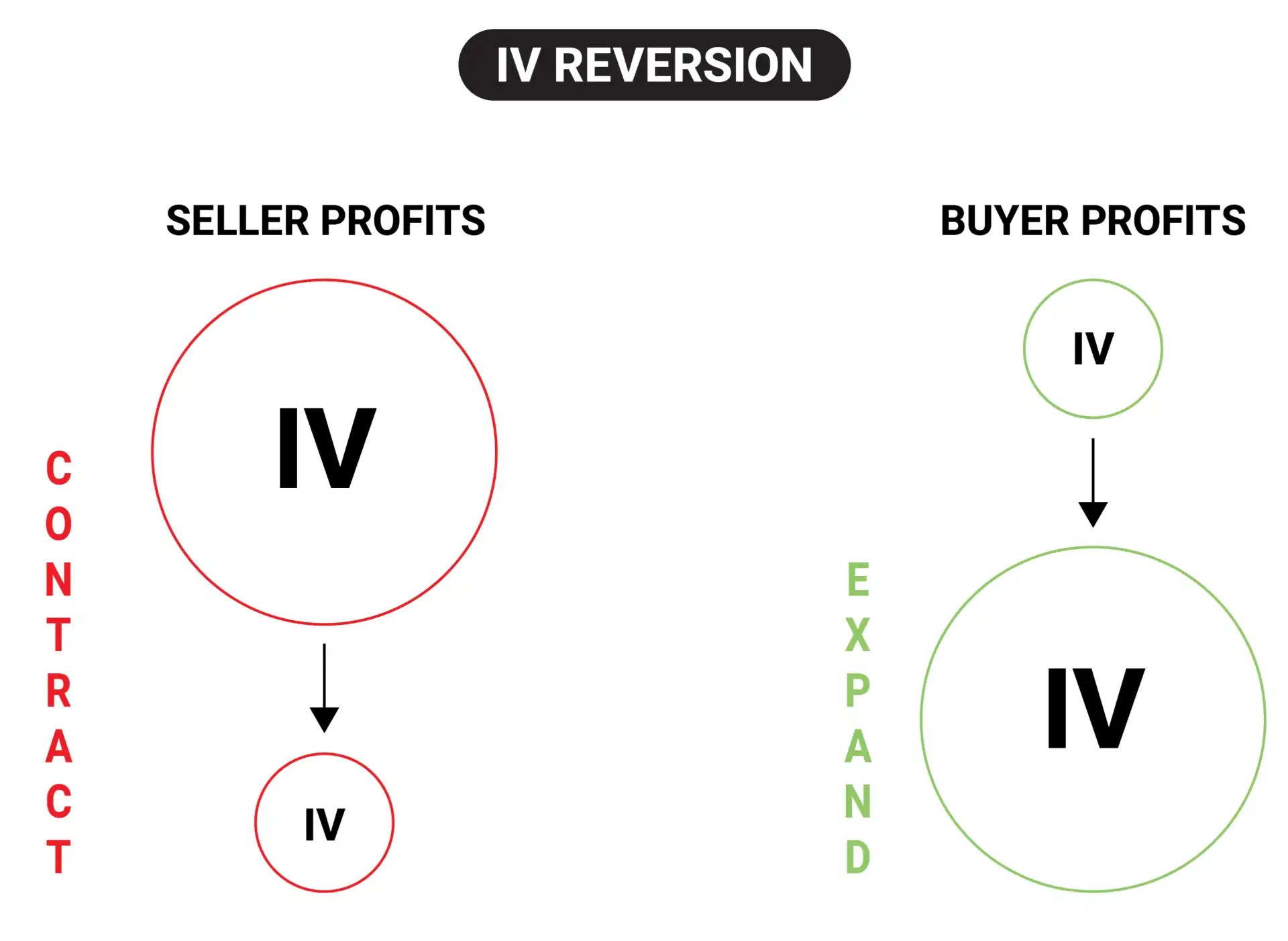
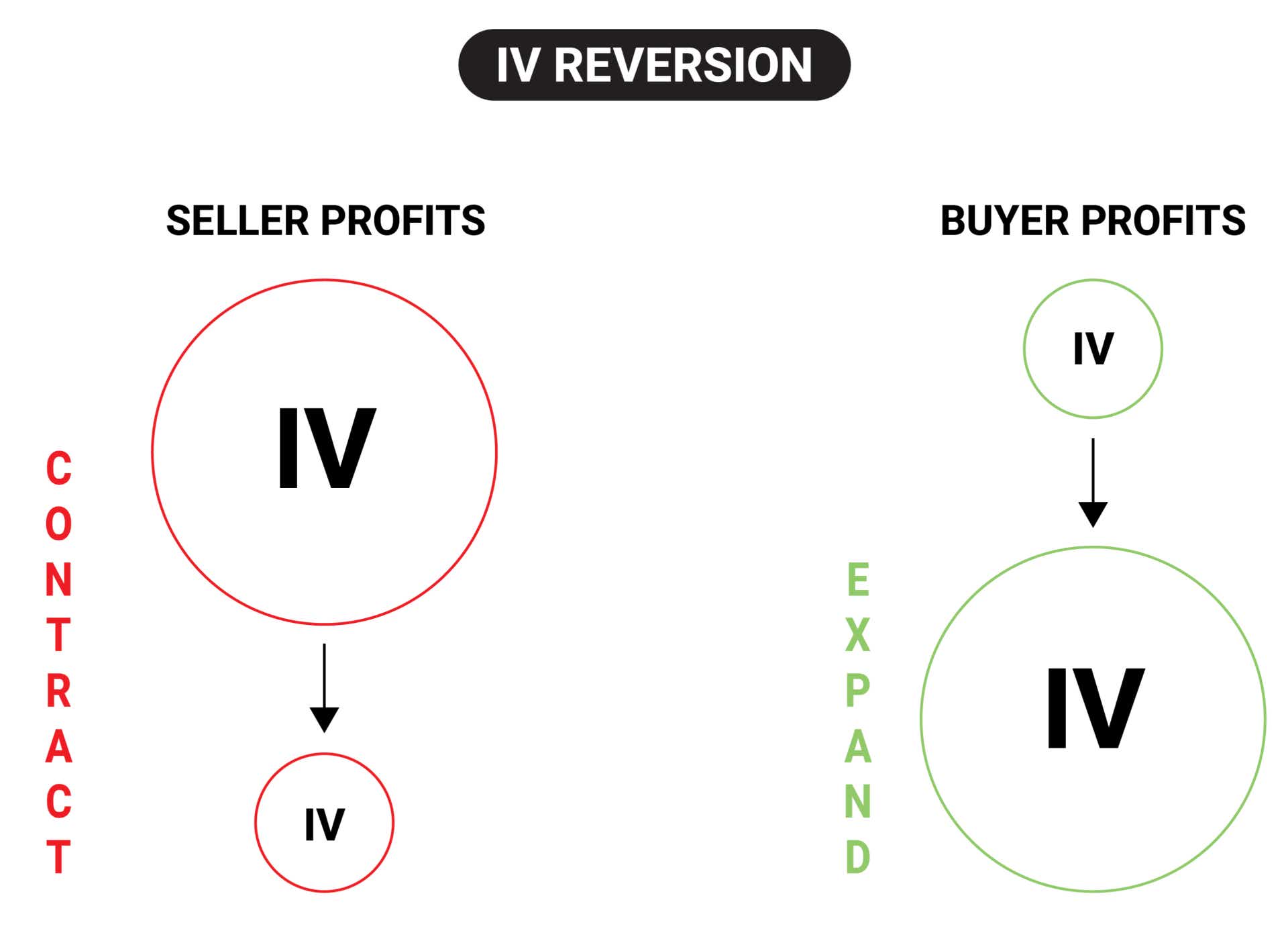
IV crush (or "volatility crush") is a sharp, sudden drop in implied volatility right after a major uncertainty-resolving event. This "crushes" the extrinsic value (time premium) in options, making them worth less almost instantly.
Why "crush"? Options derive value from expected movement. Once the event passes, the "unknown" is gone → IV plummets → premiums deflate like a popped balloon.
It hits both calls and puts — but buyers (long options) suffer most, while sellers (short options) often profit from the decay.
Common triggers:
Earnings reports (most frequent culprit — 80-90% of IV crushes happen post-earnings).
Economic data releases (e.g., Fed announcements, jobs reports).
Product launches, mergers, or other binary events.
Example: Stock XYZ has IV at 50% before earnings (high anticipation). After earnings (even if good news), IV drops to 20% → your $5 put premium might shrink to $2 overnight, even if the stock fell a bit.
Here's a chart showing how IV spikes before an event and crashes after:
What is Implied Volatility (IV Crush) & How to Avoid it | tastylive
(Notice the expansion pre-event and contraction post-event — that's the crush in action.)
How IV Crush Affects Your Trades (Tying Back to Puts)
Remember buying puts without owning stock? IV crush is a big risk for long put holders:
Pre-event: You buy a put when IV is pumped up (expensive premium).
Post-event: Stock might drop (good for your put's intrinsic value), but the IV drop erases much of the gain.
Result: Your put's value "crushes" — you might break even or lose money despite being right on direction.
Conversely:
If you're selling puts (short puts, collecting premium), IV crush is your friend: You pocket the high premium upfront, then watch it decay post-event.
Real-world chart of a post-earnings IV crush (e.g., on a stock like GOOG):
Anatomy Of A Post Earnings Volatility Crush - NFLX
(See the volatility line plunging after the announcement? Option prices follow suit.)
Beginner Tips to Avoid or Profit from IV Crush
Check IV rank/percentile: Use tools like Thinkorswim or TradingView to see if IV is historically high (over 50-70%) before buying options — that's crush bait.
Sell premium instead: Strategies like iron condors or credit spreads thrive on IV crush (collect high premiums, let them decay).
Time your entry/exit: Buy options after the crush (when IV is low) for cheaper entries. Exit longs before the event if IV is sky-high.
Use calendars or diagonals: Advanced, but these spreads can hedge against crush by playing short-term high IV vs. long-term normal IV.
Don't chase hype: Earnings plays sound exciting, but stats show most retail traders lose on them due to crush.
IV crush isn't a "gotcha" — it's predictable with practice. Tools like OptionStrat or Barchart can simulate it for specific trades.
If you're eyeing a stock with upcoming earnings (e.g., one you're putting on), drop the ticker — I can help check its historical IV behavior!
(Options trading involves risk — this is educational, not advice. Always paper trade first and consult pros.)