Don't Panic About Getting Assigned on Options! A Beginner's Guide
Published: January 16, 2026 • Options Basics
Tags: call, put
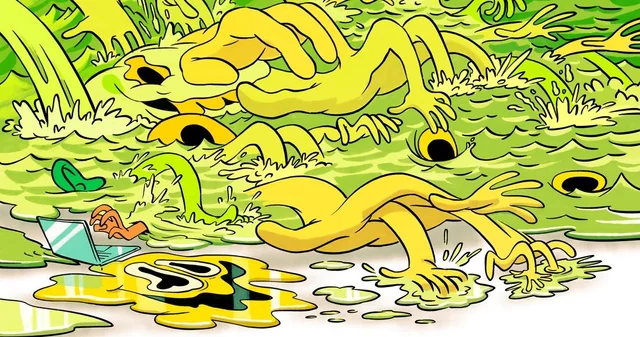
Don't Panic About Getting Assigned on Options! A Beginner's Guide
If you're new to options trading, one question that freaks out almost every beginner is:
"What if I sell (short) a put or call... and I get assigned early? Do I have to buy/sell 100 shares right now?!"
The good news? Early assignment is actually pretty rare, especially these days. Most experienced traders barely worry about it. Let's break it down simply, step by step.
What Does "Assignment" Even Mean?
When you sell (write) an option, you're giving someone else the right to force you to buy or sell the stock at the strike price.
Short a put → Buyer can force you to buy 100 shares at the strike.
Short a call → Buyer can force you to sell 100 shares at the strike.
Early assignment = the buyer exercises the option before expiration.
Most options are exercised at (or very close to) expiration. Early ones? Super uncommon for regular retail traders.
Here's a fun way to think about it:
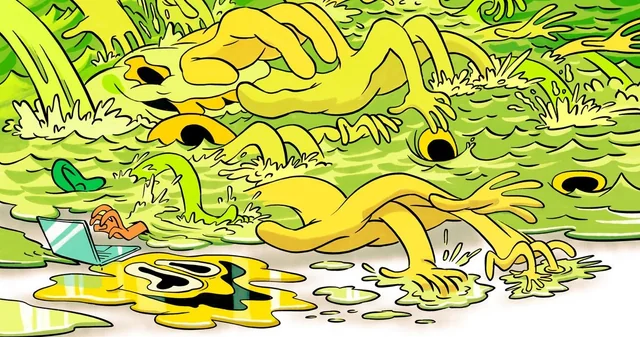
(Okay, maybe not this worried... but new traders often feel like this!)
Why Early Assignment Almost Never Happens (The Simple Reason)
Options have two parts of value:
Intrinsic value → Real money you could make right now (stock price vs strike).
Time value (extrinsic) → Extra premium because there's still time left.
Buyers usually don't want to throw away that time value by exercising early. They'd rather sell the option instead!
Early exercise only makes sense in very specific situations — mostly tied to dividends or interest rates.
The Magic Formula: Put-Call Parity (Don't Worry, It's Easier Than It Looks)
This is the key math that tells us when early exercise might happen.
Call Price - Put Price = Stock Price - Strike + (Interest - Dividends)
(Or simplified: C - P ≈ S - X + Carry Cost)
When this balance gets "out of whack" because of a big dividend or high interest rates, someone might exercise early to capture free money (arbitrage).
Here are some clear diagrams that show put-call parity in action:
Put-Call Parity at a Glance Diagram
Another simple Put-Call Parity explanation
See how everything has to line up? When it doesn't (especially near a big dividend), that's when assignment risk pops up.
When Should You Actually Worry?
Rule #1: Short Calls (the dividend risk)
If a stock is about to pay a big dividend and the dividend amount is bigger than the remaining time value in the put, the call might get exercised early.
→ You get assigned and have to sell shares... but you collect the dividend indirectly through pricing.
Quick check: If the dividend > opposite put's value, possible assignment risk.
Rule #2: Short Puts (the interest rate risk)
Early assignment on puts is even rarer. It usually only happens if interest rates are very high (so holding cash is better than holding the option).
With today's interest rates (still relatively low in 2026 compared to historical highs), this almost never happens.
Bottom line rules for beginners:
No dividend on the stock? → Almost never worry about early call assignment.
Low interest rates? → Almost never worry about early put assignment.
Watch ex-dividend dates for high-dividend stocks!
Here's a simple visual of an ex-dividend calendar concept:
Ex-Dividend Date Calendar Example
Real Talk: How Often Does This Actually Happen?
Very rarely for retail traders. Market makers and big funds handle most early exercises because they can arbitrage tiny differences.
For you selling options? Focus on bigger risks first:
Stock moving against you
Volatility changes
Time decay working for/against you
Assignment? It's way down the worry list.
Quick Summary for New Traders
Early assignment is rare.
Mostly happens around big dividends on short calls.
Use the simple check: Dividend > remaining put value? → Slight risk.
Otherwise → Sleep easy!
Options are like "calls are puts and puts are calls" in many ways — they balance each other out.
Trading options gets less scary once you understand this. Start small, paper trade, and you'll see assignment is not the monster under the bed.
Happy trading — and don't let assignment keep you up at night! 🚀
(If you're curious about a specific stock or option you're trading, drop the details and I'll help check the risk.)